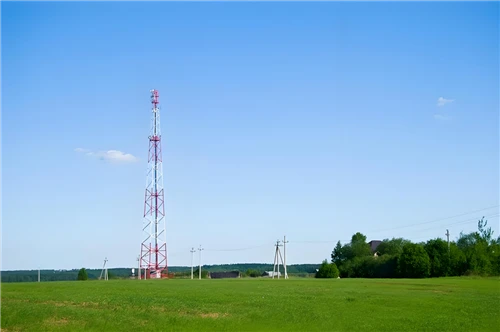
The rapid development of unmanned aerial vehicle (UAV) technology has enabled it to shine in multiple fields such as aerial photography, logistics transportation, and rescue operations. However, this technology also brings about security risks that cannot be ignored, especially in the civilian and military fields, where the threat posed by drones is increasing day by day. To address these challenges, anti-drone equipment has emerged and become an important weapon for safeguarding airspace security. Among them, the backpack-type anti-drone equipment has attracted widespread attention due to its convenience and efficiency. Next, we will delve into the working mechanism, unique technologies of the backpack anti-drone equipment and its applications in practical scenarios.
Introduction to anti-drone equipment
1. The definition of backpack-type anti-drone equipment
The backpack anti-drone equipment is a portable countermeasure system that is easy to carry and can be easily packed into a backpack. Its main function is to detect, identify and interfere with illegally invading drones, effectively drive them away or force them to land by interfering with signals, and ensure the safety of sensitive airspace. Its compact size, light weight and simple operation make it highly suitable for law enforcement officers, enterprise security personnel and other work scenarios that require frequent movement.
2. Technical Principles and Working mechanisms
Backpack-type anti-drone equipment mainly relies on multiple technical means for countermeasures. Among them, signal jamming technology is the core. It interferes with the control signals and GPS positioning signals of unmanned aerial vehicles (UAVs) by transmitting high-power radio signals, thereby forcing the UAVs to lose control or automatically perform return operations. Some high-end devices are also equipped with directional antennas, further enhancing the accuracy and range of interference signals. In addition, these devices are integrated with highly sensitive signal receiving devices, which can monitor the activities of drones in the surrounding airspace in real time and respond promptly.
Portability and efficiency
1. The advantages brought by portability
The backpack design makes this equipment highly portable, enabling users to quickly deploy and disassemble the device, thus flexibly responding to various complex on-site situations. Compared with traditional fixed and vehicle-mounted anti-drone systems, backpack equipment can be carried on foot to areas that are difficult for vehicles to reach, significantly expanding its countermeasure range and application scenarios. Whether it is a large-scale event site, a key border defense area, or around important facilities, backpack-style equipment can be quickly deployed, thereby effectively enhancing security guarantee capabilities.
2. Efficient and precise interference capability
This backpack-type anti-drone equipment is not only portable but also performs well in terms of interference capability. It can detect and successfully intercept target drones in an extremely short time, thanks to its precise directional antenna, which can quickly and accurately lock onto illegal drones. In addition, its interference signals can precisely cover the control and navigation frequency bands of the target unmanned aerial vehicle (UAV), ensuring that during the countermeasure process, it neither accidentally damages legitimate aircraft nor significantly improves the countermeasure efficiency, thereby more effectively safeguarding airspace safety.
Application and compliance
1. A wide range of application fields
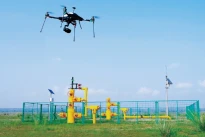
This backpack anti-drone equipment has been successfully applied in multiple fields. In public places such as large-scale sports events or concerts, it can effectively prevent drones from interfering with the event site and ensure the safety of the audience. In the military field, such equipment can be used for border patrols and battlefield environments to monitor and intercept enemy drones in real time. At the same time, it can also provide reliable protection for critical infrastructure for enterprises, ensuring the safety of enterprise assets and employees.
2. Compliance and legal compliance
Although backpack anti-drone equipment demonstrates significant technical advantages, its use must strictly comply with relevant laws and regulations to ensure operational compliance. In some areas, unauthorized drone jamming may constitute an illegal act. Therefore, when users choose and use such equipment, they must fully understand and abide by local regulations to manage the safety of drones in a legal and compliant manner.
Conclusions and Prospects
Backpack-type anti-drone equipment has become a new favorite in airspace security management due to its convenience and efficiency. Its convenient and efficient features, along with the application of various advanced technical means, enable it to precisely and effectively deal with all kinds of illegal drone activities. Technological development will continue to enhance countermeasure effectiveness, providing new directions and ideas for the future development of anti-drone equipment.