In today's era of rapid technological development, the application of unmanned aerial vehicles (UAVs) is becoming increasingly widespread, playing a significant role in various fields, from civilian aerial photography and logistics distribution to military reconnaissance and target strike. However, the popularity of drones has also brought a series of security risks, such as illegal intrusion into sensitive areas and interference with aviation safety. To address these issues, drone countermeasures guns came into being. So, how does the drone countermeasure gun quickly prevent the drone from taking off? The following will elaborate in detail from aspects such as electromagnetic interference, GPS signal shielding, photoelectric interference, microwave interference, physical intervention and acoustic wave interference.
First, electromagnetic interference
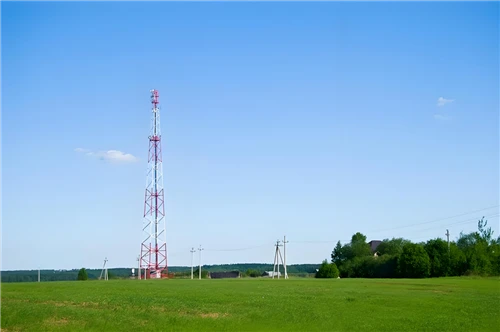
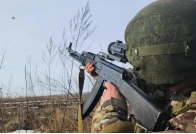
Electromagnetic interference is one of the most commonly used means of countering guns in drones. Drones usually communicate with remote controls via radio signals. However, rifle shape drone jammer can emit electromagnetic interference signals of specific frequencies, interfering with the communication link between the drone and the remote control, causing the drone to lose control and be unable to take off.
1. Full-band interference
Full-band interference refers to the ability of a drone countermeasure gun to emit interference signals that cover the commonly used communication frequency bands of drones, thereby interfering with all drones operating within that frequency band. The advantage of this interference method is that it has a wide interference range and can simultaneously interfere with multiple unmanned aerial vehicles. However, full-band interference may also cause interference to other legitimate radio equipment. Therefore, when in use, it is necessary to carefully select the interference frequency band and power to avoid adverse effects on the surrounding electronic devices.
2. Directional interference
Directional jamming refers to the situation where the counter-gun of an unmanned aerial vehicle (UAV) uses a directional antenna to concentrate the jamming signal in a specific direction, precisely interfering with the target UAV. This interference method can reduce the interference to other surrounding devices while improving the effect and accuracy of the interference. However, directional jamming requires accurately determining the position and direction of the unmanned aerial vehicle (UAV), which poses relatively high technical demands on the operators.
Second, GPS signal shielding
GPS signal shielding is another common countermeasure against drones. Many drones rely on GPS signals for positioning and navigation. If the drone countermeasure gun can block the GPS signals of drones, it can make drones lose their positioning and navigation capabilities and prevent them from taking off.
1. Omnidirectional shielding
Omnidirectional shielding refers to the fact that the drone countermeasure gun can emit GPS shielding signals covering all directions to shield all drones within that range. The advantage of this shielding method is that it has a wide shielding range and can shield multiple unmanned aerial vehicles simultaneously. However, omnidirectional shielding may also cause interference to other legitimate GPS devices. Therefore, when in use, it is necessary to pay attention to choosing the appropriate shielding power and range to avoid adverse effects on surrounding GPS devices.
2. Directional shielding
Directional shielding refers to the process where a drone countermeasure gun transmits GPS shielding signals through a directional antenna, only shielding drones in a specific direction. This shielding method can reduce interference to other surrounding devices while enhancing the shielding effect and accuracy. However, directional shielding requires accurately determining the position and direction of the unmanned aerial vehicle (UAV), which poses relatively high technical demands on the operators.
Third, photoelectric interference
Photoelectric interference is a countermeasure that uses strong light or laser to illuminate the photoelectric sensors of unmanned aerial vehicles, rendering them unable to perceive and take off.
1. Strong light interference
Strong light interference refers to the situation where the countermeasure gun of a drone emits high-intensity strong light, which illuminates the photoelectric sensor of the drone, causing it to malfunction. The advantage of this interference method is that the interference effect is obvious and it can quickly make the unmanned aerial vehicle lose its perception ability. However, strong light interference may also cause harm to the eyes. Therefore, safety should be noted when using it to avoid adverse effects on the operator and people around.
2. Laser interference
Laser interference refers to the situation where the countermeasure gun of an unmanned aerial vehicle emits laser of a specific wavelength to irradiate the photoelectric sensor of the unmanned aerial vehicle, causing it to lose its perception ability. The advantage of this interference method is that it has high interference accuracy, can accurately illuminate the photoelectric sensor of the unmanned aerial vehicle, and has a relatively small impact on the surrounding environment. However, laser interference requires a high level of technical expertise and professional equipment, and is relatively costly.
Fourth, microwave interference
Microwave interference is a countermeasure that uses high-power microwaves to irradiate unmanned aerial vehicles, damaging their electronic equipment and preventing them from taking off.
1. High-power microwave interference
High-power microwave interference refers to the situation where a drone countermeasure gun emits high-power microwaves to irradiate the drone, causing damage to its electronic equipment and preventing it from functioning properly. The advantage of this interference method is that it has a significant interference effect and can quickly render the unmanned aerial vehicle unable to fly. However, high-power microwave interference may also cause harm to the surrounding electronic devices and personnel. Therefore, safety should be noted when using it to avoid adverse effects on the surrounding environment.
2. Low-power microwave interference
Low-power microwave interference refers to the situation where a drone countermeasure gun emits low-power microwaves to irradiate the drone, causing interference to its electronic equipment and preventing it from functioning properly. The advantage of this interference method is that it is relatively safe and has a small impact on the surrounding environment. However, the interference effect of low-power microwave interference may not be as significant as that of high-power microwave interference. It is necessary to select the appropriate interference power and mode based on the actual situation.
Fifth, physical intervention
Physical intervention is a countermeasure measure that directly physically destroys or intercepts drones, preventing them from taking off.
1. Netting
Net capture refers to the act of a drone countermeasure gun firing a large net to capture the drone. The advantage of this countermeasure is that it is relatively safe and will not cause too much damage to the surrounding environment. However, net capture requires a high level of technical proficiency and operational skills, and at the same time, it imposes certain restrictions on the flight altitude and speed of the unmanned aerial vehicle.
2. Impact
Impact refers to the act of a drone countermeasure gun firing a small aircraft or object to strike the drone, causing it to lose its ability to fly. The advantage of this countermeasure is that it has a significant interference effect and can quickly render the unmanned aerial vehicle unable to fly. However, the impact may cause certain damage to the surrounding environment and at the same time requires a relatively high level of technical proficiency and operational skills.
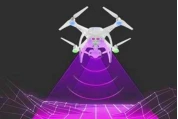
Sixth, acoustic wave interference
Acoustic wave interference is a countermeasure that uses high-intensity acoustic waves to irradiate unmanned aerial vehicles (UAVs), causing interference to their electronic devices and preventing them from taking off.
1. High-intensity acoustic wave interference
High-intensity sound wave interference refers to the situation where the countermeasure gun of a drone emits high-intensity sound waves to irradiate the drone, causing interference to its electronic equipment and preventing it from functioning properly. The advantage of this interference method is that the interference effect is obvious and it can quickly make the unmanned aerial vehicle lose its flight ability. However, high-intensity sound wave interference may also cause harm to the human ear. Therefore, safety should be noted when using it to avoid adverse effects on the operator and people around.
2. Low-frequency sound wave interference
Low-frequency sound wave interference refers to the low-frequency sound waves emitted by the counter-gun of a drone, which illuminate the drone and interfere with its electronic equipment, preventing it from functioning properly. The advantage of this interference method is that it is relatively safe and has less impact on the human ear. However, the interference effect of low-frequency sound wave interference may not be as significant as that of high-intensity sound wave interference. It is necessary to select the appropriate interference frequency and power based on the actual situation.
Conclusion
The drone countermeasure gun is an effective means to counter drones. Through various methods such as electromagnetic interference, GPS signal shielding, photoelectric interference, microwave interference, physical intervention and acoustic wave interference, it can quickly prevent drones from taking off. However, when using a drone countermeasure gun, the following points should be noted:
1. Legality: The use of anti-drone guns must comply with relevant laws and regulations, and it is strictly prohibited to illegally interfere with or damage others' drones.
2. Safety: When using a drone countermeasure gun, safety should be given top priority to avoid causing harm to people and equipment around.
3. Professionalism: The drone countermeasure gun must be operated by professionals and must not be used at will to avoid unnecessary losses.
In conclusion, the drone countermeasure gun is an important means to counter drones and plays a significant role in ensuring airspace security and maintaining social stability. With the continuous development of technology, the countermeasures against drones will also be constantly innovated and improved, providing more powerful guarantees for our lives and social security.