With the rapid development of technology, drones have been widely applied in various fields such as military, surveillance, agriculture, and photography. However, the widespread use of drones has also brought new security challenges, including privacy invasion, illegal surveillance, and potential terrorist threats. Therefore, the development of drone detection and countermeasure equipment (referred to as "anti-drone systems") has emerged as a result.
The necessity of drone detection and countermeasures equipment
Before discussing the working principle, we need to understand why such a system is necessary. Drones may be used for illegal activities, such as surreptitious filming, drug smuggling, and even as weapons. Anti-drone systems can effectively detect and disrupt the operation of these drones, thereby ensuring public safety and privacy rights.

First, an overview of the working principle
The unmanned aerial vehicle (UAV) detection and countermeasure equipment mainly consists of two parts: the detection system and the countermeasure system. The detection system is used to detect and track UAVs, while the countermeasure system is used to interfere with or directly destroy the UAVs.
Detection System
1. Radar Detection: The radar system emits electromagnetic waves and then analyzes the waves that are reflected back to detect the presence and location of the unmanned aircraft. Due to the small size of the unmanned aircraft, this requires the radar system to have high sensitivity.
2. Radio Frequency Detection: Unmanned aircraft usually communicate with the operator through radio frequencies. The detection system can monitor specific radio frequencies to identify the communication signals of the unmanned aircraft.
3. Optical and Thermal Imaging Detection: Using high-resolution cameras and thermal imaging equipment to identify the unmanned aircraft. This method is very effective for detection both during the day and at night.
Countermeasures System
1. Signal Interference: By sending strong radio signals, it interferes with the communication between the drone and the operator. This method can cause the drone to lose control or force it to automatically return to the take-off point.
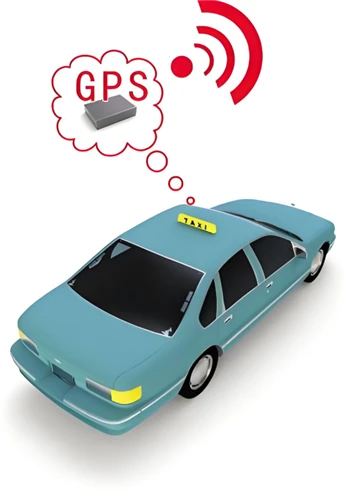
2. GPS Interference: Interferes with the GPS signal of the drone, causing its navigation system to fail. This method can make the drone deviate from the predetermined path or even force it to land.
3. Physical Interception: Uses net guns or other physical methods to directly capture the drone. This method is suitable for small drones and can effectively interrupt their flight without damaging the drone.
Third, future development
As the technology of drones continues to advance, the detection and countermeasures equipment for drones is also evolving. Future anti-drone systems may become more intelligent, capable of automatically identifying and responding to various threats. Moreover, with the popularization of new communication technologies such as 5G, the detection and countermeasures equipment for drones also needs to adapt to the new communication environment.
Fourth, Conclusion
Unmanned aerial vehicle detection and countermeasure equipment is an important tool for ensuring safety and maintaining order. Understanding its working principle helps us better comprehend the significance and application prospects of this technology. With the continuous advancement of technology and the improvement of laws and regulations, we can expect a safer environment for the application of unmanned aerial vehicles.
We are a Chinese manufacturer specializing in customizing anti-drone systems. We offer a variety of drone detection and countermeasures equipment for you to choose from or customize. If you have any requirements, please contact us at info@alasartech-security.com.