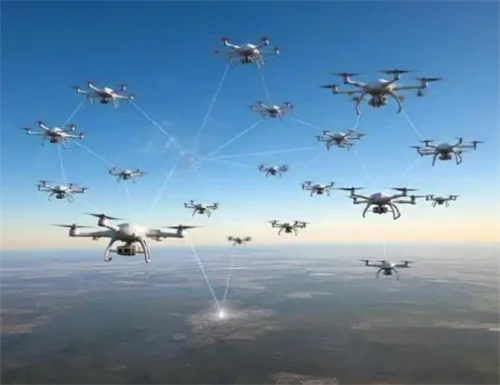
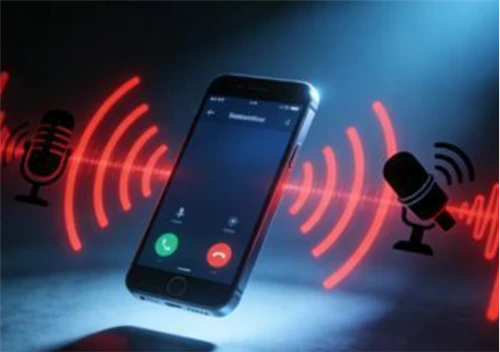
A signal jammer is a device that primarily blocks or disrupts the normal reception and transmission of legitimate radio communication equipment by transmitting interfering signals of a specific frequency. Its working principle is based on the superposition principle of radio waves, that is, in the same space, a stronger signal will suppress a weaker signal. Signal jammers usually cover multiple frequency bands such as GSM, CDMA, 3G, 4G, 5G, Wi-Fi, BLUETOOTH, ETC, by continuously emitting strong wideband noise signal, the useful signal received by legitimate devices within effective communication range is drowned out by interference signal, thus unable to communicate normally .
Application scenarios
Examination venues : To prevent cheating, many examination rooms will turn on signal jammers to temporarily cut off mobile phone signals in the examination area to ensure the fairness and impartiality of the examination .
Confidential agencies : Signal jammers are deployed in highly classified places such as government departments, military bases, and research institutions to prevent illegal eavesdropping and data leakage and to ensure the security of internal information .
Medical facilities : Special medical environments such as operating rooms and MRI rooms in hospitals use signal jammers to prevent radio signals from interfering with precision medical equipment .
Prison system : To manage prisoners and prevent illegal activities using mobile phones, prisons install signal jammers to restrict mobile communication .
Public safety incidents : In large-scale events, conferences, sports competitions, etc., signal jammers are sometimes temporarily activated for counter-terrorism, stability maintenance and public safety considerations.
Working principle
A signal jammer is typically composed of a power supply, an electronic scanning control unit, a segmented RF module unit, an amplifier unit, and a transmitting antenna unit, etc. The scanning signal it generates is modulated and amplified and then transmitted into the air in the form of radio waves. This sweep signal causes garbled interference when the mobile phone receives the message signal, increases the proportion of noise signal to the device threshold, so that the mobile phone cannot normally receive the data sent from the base station, cannot establish a stable connection with the base station, and then disengage from the base station communication network .