Today, with the rapid development of science and technology, the application field of drones is constantly expanding, which has brought a lot of convenience and innovation to our life and work. However, the ensuing phenomenon of "black flight" of drones has also caused a series of safety problems. Counter-drone equipment came into being and has become a key tool to deal with the security threat of drones. Below, we take a deeper look at the functions and uses of counter-drone equipment.

Uav detection function
Radar detection: The electromagnetic wave emitted by radar is used to scan the surrounding space. When the UAV enters the detection range of the radar, the reflected echo will be received and analyzed by the radar, so as to determine the position, speed and flight direction of the UAV. Radar detection has the advantages of long detection range, independent of weather and light conditions, and can monitor UAV activities in a large area in real time.
Photoelectric detection: the target area is monitored by infrared cameras, visible light cameras and other equipment, and the difference in visual and infrared characteristics between the drone and the surrounding environment is used to identify the drone. The advantage of photoelectric detection is that it can intuitively obtain the image information of the UAV, which is convenient to confirm the type and characteristics of the target. However, its detection range is relatively limited, and it is greatly affected by lighting, weather and other factors, and its performance will be reduced at night or under bad weather conditions.
Acoustic detection: Detection based on the unique noise characteristics generated by the UAV during flight. Acoustic sensors can capture the sound signals emitted by drones, and by analyzing the frequency, intensity and other parameters of the sound to determine whether there is a drone and its approximate location. Acoustic detection has the advantages of good concealment and low cost, but it is easy to be disturbed by environmental noise and the detection distance is relatively short.
Tracking function
Once a drone is detected, the counter-drone equipment needs to continuously track it to ensure that effective countermeasures can be taken in a timely manner. The tracking function is usually realized by sensor fusion technology, which comprehensively analyzes and processes the data of radar, photoelectric and other sensors to improve the accuracy and reliability of tracking. During the tracking process, the device is able to update the drone's position and flight path information in real time and transmit this information to subsequent countermeasures systems.
Jamming function
Jamming function is one of the core functions of counter UAV equipment, which mainly includes signal jamming and navigation jamming. By transmitting a radio frequency signal of a specific frequency, the communication link between the UAV and the remote control is blocked, so that the UAV loses control. Navigation interference is to send false satellite signals to mislead the navigation system of the drone, so that it can not accurately determine its position, so as to force the drone to land or leave. The effect of the jamming function depends on the strength, frequency and coverage of the jamming signal, and needs to be adjusted reasonably according to the actual situation.

The wide use of counter drone equipment
Military field
Protect the security of military bases: Deploying counter drone equipment around military bases can effectively prevent the enemy from using small drones for reconnaissance, surveillance and attack activities. Ensure the security of classified information and critical facilities at military bases by timely detecting and countering unauthorized drones.
Escort important military operations: In the process of important military operations such as troop march and combat, the counter-drone equipment can monitor the surrounding airspace in real time to prevent enemy drones from interfering with military operations or collecting intelligence. It can provide a relatively safe airspace environment for military operations and ensure the smooth completion of military missions.
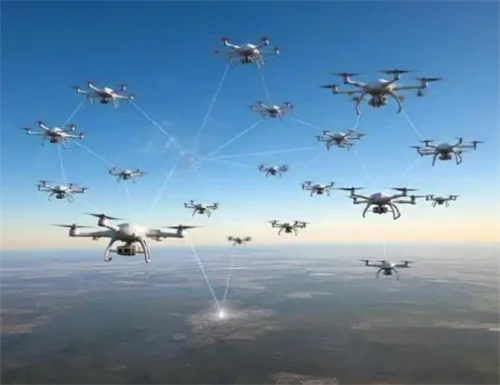
Countering the Drone Swarm threat: With the development of drone technology, drone swarm tactics are increasingly becoming a potential military threat. Counter-drone equipment can detect, track and counter large-scale drone swarms through coordinated operations, reducing their threat to our military forces.
Civil domain
Airport clearance protection: The airport is a place with high requirements for airspace safety, and the illegal intrusion of drones may collide with civil aircraft, seriously threatening flight safety. The counter drone equipment can establish an effective monitoring and counter area around the airport, detect and drive away illegal drones in time, and ensure the normal operation of the airport.
Security for important events: During important events such as large-scale sports events, political meetings and cultural events, there are intensive personnel and high security requirements. The counter drone equipment can closely monitor the airspace of the event site, prevent the drone from carrying dangerous goods into the site or taking illegal photos, and ensure the safety and order of the event.
Prison supervision: In order to prevent drones from dropping prohibited items into the prison or assisting prisoners to escape, the installation of counter-drone equipment is a necessary security measure. Maintain the safety and management order of the prison by detecting and countering the illegal approach of the drone over the prison.
Power infrastructure protection: Power infrastructure, such as substations and transmission lines, is widely distributed and critical, and drones can cause interference or damage to it. The counter drone equipment can monitor around the power facilities to protect the safe and stable operation of the power system.
Border control: In border areas, illegal drones may be used for smuggling, reconnaissance and other illegal activities. Counter-drone equipment can strengthen the control of border airspace, timely detect and prevent the cross-border flight of illegal drones, and maintain national border security.