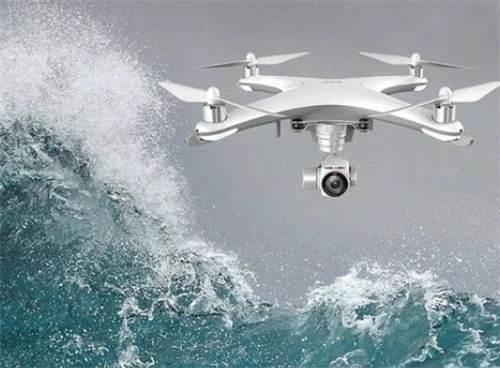
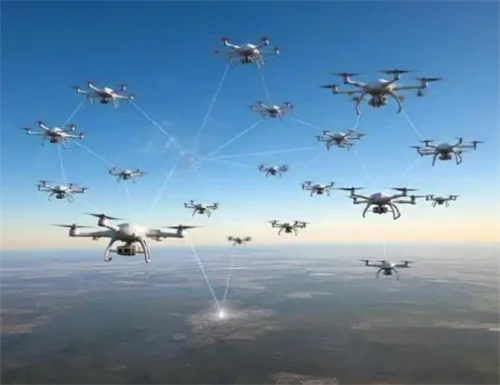
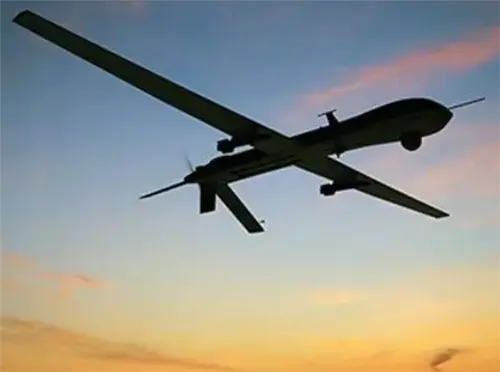
With the rapid development of drone technology, the use of drones is becoming more and more popular. However, the widespread use of drones has also brought some safety concerns. In response to the potential threat of drones, handheld drone countermeasures have emerged. This paper will introduce the definition, principle, function and some common countermeasures equipment of handheld UAV.

1. Definition of handheld UAV countermeasure equipment:
A Handheld Drone Counter device is a portable device designed to counter and neutralize malicious use of drones. It can detect, track, intercept, or destroy drones to protect critical facilities, personnel, and the public.
2. The principle of handheld UAV countermeasure equipment:
The handheld drone countermeasure device uses radar, optical sensors, wireless communications and electronic jamming technology to disrupt the drone's communication and navigation systems by detecting its signal and position, thereby preventing the normal operation of the drone.
3. The role of handheld UAV countermeasure equipment:
Handheld drone countermeasures have a variety of roles, including:
Protect security: Countermeasures can detect and intercept malicious drones to prevent them from posing a threat to critical facilities and personnel.
Preventing espionage: By jamming a drone's communications system, a counter device could prevent the drone from transmitting sensitive information or spying.
Maintain privacy: Handheld drone countermeasures prevent drones from collecting personal information or conducting illegal surveillance.
Preventing malicious attacks: Certain drones can carry dangerous substances such as explosives or gas, and handheld drone countermeasures devices can detect and interfere with these drones in time to prevent malicious attacks.

4. Common handheld UAV countermeasure equipment:
There are many different types of handheld drone countermeasures available on the market today, including:
Signal jammer: The use of radio frequencies to interfere with a drone's communications system, causing it to lose control or turn back.
High-energy laser: The drone loses power by shining a laser beam that overloads or burns out its electronics.
Network system: The use of drone nets or drone capture equipment to capture the drone and control its movement.
High-frequency acoustic devices: Use high-frequency sound waves to defeat the electronic and mechanical systems of the drone, thus causing it to lose control.
Thermal imaging devices: Track and locate drones by detecting their thermal radiation.
5. Conclusion:
Handheld drone countermeasures are an important tool to protect security and privacy. As the range of applications for drones continues to expand, so does the need for countermeasures equipment. By understanding the definition, principle, function and common devices of handheld drone countermeasures, we can better respond to the potential threats posed by drones and ensure the protection of public safety and personal privacy.