The application principle of counter UAV radar detection equipment mainly relies on radar detection, radio signal monitoring, photoelectric identification and tracking, sound monitoring and other technologies, to achieve the detection and recognition of UAV.
A counter-drone system usually consists of two parts: detection system and interception system. detection system is the first step to counter UAVs, its core is to use various technical means to find and identify UAVs. These technologies include, but are not limited to:
Radar detection: the use of radar technology to detect the air target, by transmitting radio waves and receiving its reflected signal to determine the location of the target, speed and other information.
Radio signal monitoring: detect and track the UAV by monitoring and analyzing the characteristics of the UAV communication signal, such as frequency, modulation mode, and .
Photoelectric recognition and tracking: the use of photoelectric sensors, such as camera, aerial target visual recognition and tracking.
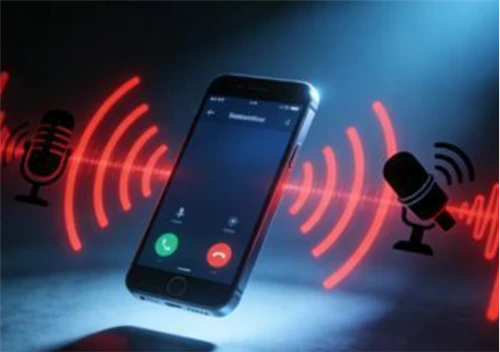
Sound monitoring: by listening to the sound signal of the UAV, especially at low altitude, by sound monitoring technology to detect the UAV.
The application of these technologies enables the counter-UAV system to effectively detect and identify targets in complex environments to provide the basis for subsequent interception and countermeasures. By transmitting and receiving electromagnetic wave signals, analyzes the reflected signal characteristics, thus realizing the accurate detection and tracking of UAV. The application of this technology not only improves the detection capability of UAVs, also provides important information support for subsequent interception and countermeasures.