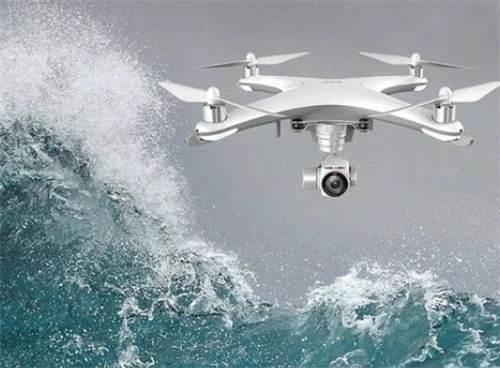
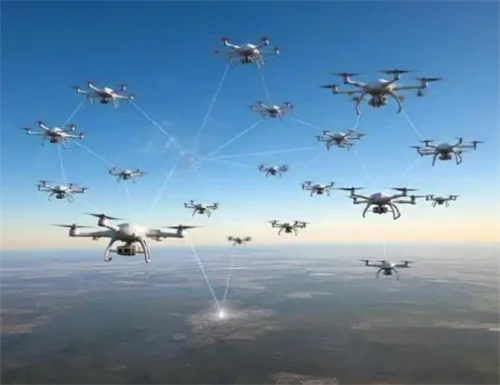
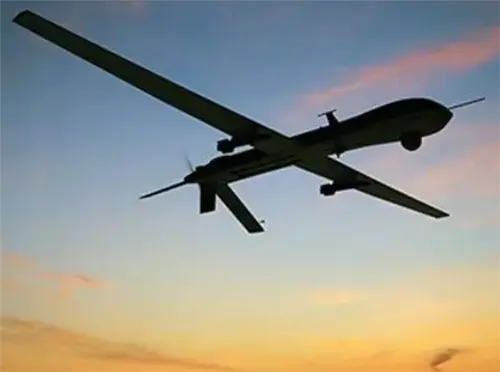
Drone countermeasure equipment is an electronic device specifically designed for drones, which can control or prevent them through methods such as interference, interception, and pursuit. It can not only effectively protect important targets and territories, but also be used to combat crime and maintain social stability.
The countermeasure technical means of unmanned aerial vehicle countermeasure equipment mainly include the following types:
Radio interference
Principle: By transmitting radio signals in the same frequency band as the communication of the unmanned aerial vehicle (UAV), signal interference is formed, blocking the communication link between the UAV and the control station.
Effect: After losing the remote control signal, the drone usually enters a self-protection state after signal loss, such as hovering, emergency landing or returning.

Navigation signal interference
Principle: Interfere with the signals of the GPS or other navigation systems of the unmanned aerial vehicle (UAV), preventing the UAV from accurately obtaining location information.
Effect: After a drone loses its navigation signal, it may be unable to perform precise flight control, resulting in unstable flight or deviation from the intended route.
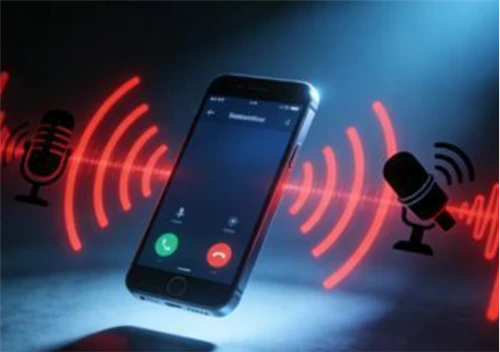
Acoustic wave interference
Principle: Use sound waves of specific frequencies to interfere with unmanned aerial vehicles (UAVs), affecting their internal sensors or control systems.
Effect: Sound wave interference may cause abnormal flight attitudes of drones, and even lead to loss of control and crashing. However, this method usually has a certain dependence on the specific model and configuration of the unmanned aerial vehicle.
Direct destruction
Principle: Use weapons or other destructive means to directly destroy unmanned aerial vehicles.
Effect: Directly destroying drones can quickly eliminate threats, but this method is usually applicable in emergency or dangerous situations and may cause other security issues.
Physical capture
Principle: Directly capture unmanned aerial vehicles through physical means such as net guns and capture nets.
Effect: Physical capture can capture the drone without damaging it, facilitating subsequent analysis and processing. However, this method has relatively high requirements for the skills and reaction speed of the operators.
In practical applications, the selection and use of countermeasures for unmanned aerial vehicles (UAVs) should be comprehensively considered based on specific scenarios and requirements. For instance, in no-fly zones such as airports and large-scale events and competitions, technical means like radio interference or navigation signal interference can be adopted to prevent drones from entering. When it is necessary to capture drones for subsequent analysis, methods such as physical capture can be considered.
In addition, with the continuous development and update of unmanned aerial vehicle (UAV) technology, UAV countermeasure equipment also needs to be constantly updated and upgraded to adapt to new UAV models and flight characteristics. Therefore, when choosing countermeasures for drones, factors such as their technological update capabilities and the quality of after-sales service should be taken into consideration.
In conclusion, drone countermeasure equipment is an important safety device, and its countermeasure technical means are diverse, which can be selected and applied according to specific needs. It plays a significant role in ensuring social security and combating illegal activities involving drones.