360 degree satellite navigation Spoofing UAV technology By interfering with the UAV navigation system, realizes the effective control and defense of the UAV, thereby protecting flight safety, personal privacy and information security, also reduces the potential risk of the UAV being used for malicious activities.
The use of 360 degree satellite navigation to deceive UAS is mainly reflected in the following aspects:
Preventing drones from entering no-fly zones: By interfering with a drone's navigation system, can be directed away from the no-fly zone, to ensure flight safety. This technology can effectively prevent unauthorized drones from entering sensitive areas, such as military bases, airports, etc.
Preventing trespass by UAVs: For unauthorised UAVs, navigation decoy devices can interfere with their navigation systems, make it disoriented or unable to fly properly, to prevent trespass. This helps protect personal privacy and information security.
Maintain security and privacy: In some cases drones may violate personal privacy or the security of important information. navigation decoy devices can interfere with a drone's navigation system, prevent it from approaching sensitive areas, and protect privacy and information security.
Preventing use of drones for malicious activities: Some drones may be used for malicious purposes, to carry explosives or surveillance equipment, etc. navigation decoy devices can interfere with a drone's navigation system, force it to lose control or become disoriented, thereby reducing potential hazards.
To realize the defense and control of UAVs: by launching simulated satellite navigation signals, to guide and lure UAVs entering sensitive areas, to realize the defense and control of uAVs. This kind of system is suitable for temporary low-altitude area protection, important area security defense, urban public security protection, anti-terrorism and stability maintenance in sensitive areas and other tasks.
Features of 360 degree satellite navigation spoofing drones:
24/7 detection and recognition: the technology is capable of detecting and identifying drones 24 hours a day and works effectively regardless of weather conditions.
Strong applicability: the size of the system control area can be adjusted, is suitable for different low-altitude security application scenarios, can be flexibly adjusted according to specific requirements.
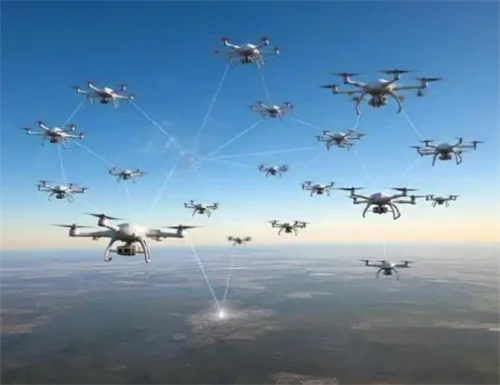
Good scalability: supports multi-device distributed networking deployment, realizes unified platform control, expands the prevention and control area, and improves low-altitude management efficiency.
Fast effect, wide coverage: compared with high-power electromagnetic suppression, required electromagnetic wave transmission power is very small and the coverage is wider, effect is faster and more obvious. In many important economically protected areas if only one anti-drone method is allowed, users are inclined to preferentially choose location spoofing devices as anti-drone equipment, to deter and warn malicious drones.