There are many devices available for preventing audio recording at present, but their basic technical principles fall into three categories. One is to use wireless signal detection technology to identify the recording device and eliminate it; the second is to use white noise technology to suppress it, so that the recording device records white noise along with the audio when recording, resulting in unclear audio information or even inability to hear the effective content, achieving the purpose of preventing audio leakage; the third is the latest ultrasonic interference technology, which is similar to the white noise technology. It also interferes with the recording device to prevent it from recording valid information. Moreover, since ultrasonic waves are undetectable by the human ear, they are relatively silent for humans and will not affect the conversation process. Now, let's explain the technical principles of these three major types of anti-recording devices one by one.

1. Wireless Signal Detection Technology
Some recorders transmit the conversation content wirelessly to another location and record it. For such devices, due to their small size, they are difficult to be detected. Therefore, specialized wireless signal detectors must be used.
Using a wireless signal detector can quickly search for various wireless frequencies within a certain space, and based on the wireless frequencies, the signal source can be found, and this small recorder device can be located.
2. White Noise Technology
What is White Noise?
The power of the frequency components in a sound is uniform throughout the audible range (0 - 20 KHz). Because the human ear is more sensitive to high frequencies, this kind of sound sounds like a noisy rustling noise. This is what is known as white noise. The principle of the white noise recorder interference device is to use white noise to interfere with the normal recording of the recorder, making it unable to record the conversation content.
White noise was not originally designed specifically for preventing recording. It was intended to relieve people's fatigue and promote sleep because this kind of noise is a continuous and monotonous frequency sound. When people keep listening to such sounds, it is very easy for them to fall asleep. These are side notes. Let's get back to the main topic. It is precisely this continuous rustling sound that makes it easy for white noise to cover or blend into other sound sources. As a result, devices like recorders cannot capture effective conversation content.
3. Ultrasonic Interference Technology
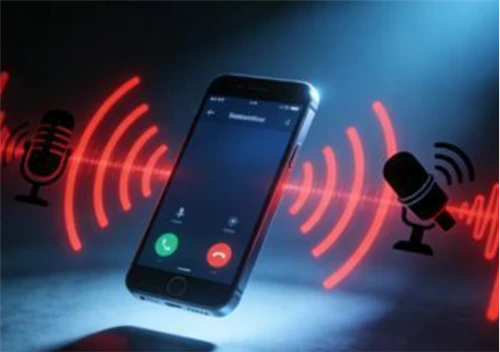
The ultrasonic anti-recording device can emit ultrasonic waves that are imperceptible to the human ear and contain random noise. When recording is conducted on devices such as mobile phones, these noises along with the normal conversation sounds are recorded into the digital device, making the recorded audio invalid. The same interference effect occurs for the audio information in the captured video. Since the noise with ultrasonic band noise is randomly generated and cannot be restored, the audio that has been interfered with cannot be restored either, thereby ensuring that the original information is not leaked or disseminated.
Moreover, the sound waves emitted by the anti-recording device can only reach digital products such as mobile phones and voice recorders but cannot be heard by humans. Compared to other anti-recording devices, it has no buzzing noise and can quietly protect the conversation environment without being easily noticed.
We are a Chinese manufacturer of anti-recording devices. We offer a variety of anti-recording devices for your selection. If you have any requirements, please contact us at info@alasartech-security.com.