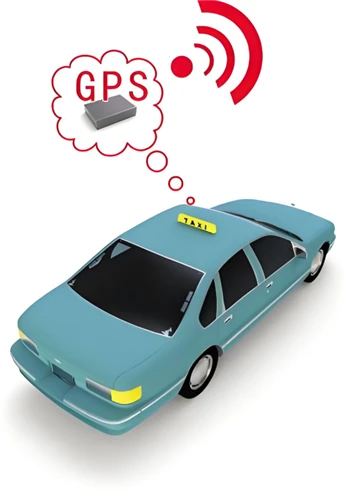
GPS (Global Positioning System) is a network of satellites orbiting the Earth that constantly send radio signals to the ground containing time-stamped and satellite position information. GPS receivers (such as car navigation devices) capture signals from at least four satellites and calculate the receiver's three-dimensional position (longitude, latitude, altitude) and time based on the time difference between the signals and the receiver. This process involves complex mathematical algorithms, such as trilateral measurement.
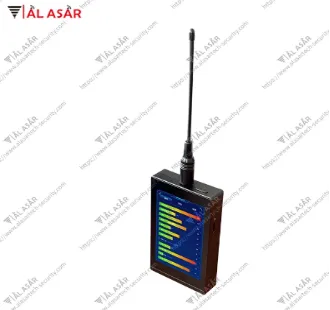
The working mechanism of GPS detection tool
Signal scanning and recognition: GPS detectors first scan the electromagnetic spectrum around them, looking for signals that match the standard GPS signal frequency (usually in the L1 band, or 1575.42 MHz). Because legal GPS receivers are usually passive receivers of satellite signals, while illegal GPS trackers often need to transmit signals to report location information to the monitor, the detector is more focused on finding the source of those abnormal signals.
Signal strength analysis: Once a suspected GPS signal is detected, the detector will analyze the strength and stability of the signal. As you approach the signal source, the signal strength gradually increases. By moving the detector and monitoring the change in signal strength, the location of the signal source can be roughly located.
Frequency matching and verification: For some advanced GPS trackers that use special frequencies or are in a dormant state, the detector may need to have a more refined frequency matching capability, and the ability to activate the dormant GPS device through a specific technology, so that it temporarily emits a signal for easier detection.
Precise positioning: After the initial positioning, the detector user will further narrow the search area until it finds the strongest signal point, which is usually the location of the GPS tracker. Some high-end devices can even work with computer software to display a graph of signal strength through a graphical interface to help users locate the signal more accurately.
Interference elimination: In actual operation, the detector also needs to have a certain anti-interference ability to distinguish and filter out the signal interference of other radio equipment in the environment to ensure the accuracy of positioning.
In summary, GPS detection tools can effectively locate and identify illegally installed GPS trackers by analyzing and tracking the characteristics of GPS signals, combined with physical search and technical means. This process relies not only on the sensitivity and accuracy of the hardware equipment, but also on the operator's experience and technical knowledge to interpret the detection results.